
Company
From Chicago laboratories to jobsites worldwide, USG Corporation develops gypsum board, ceiling systems, and tested assemblies that architects and contractors trust for fire, acoustic, and moisture performance.
Our mission is to publish clear performance data and manufacture panels that meet the assemblies written into specifications—so project teams can protect schedule, inspection outcomes, and occupant comfort without guessing at field substitutions.
Founded in 1902 in Chicago, Illinois, USG teams weigh the same trade-offs buyers face every week: domestic gypsum capacity versus imported specialty tiles when lead times tighten; GREENGUARD Gold or recycled content percentage documentation versus strict material budgets on value-engineered floors; and prefabricated panelized walls versus traditional metal-stud framing when field changes remain likely. We disclose service life expectancy assumptions and embodied carbon worksheet inputs when sustainability consultants ask—without pretending every LEED pathway fits every corridor wall.
When aesthetics conflict with tested stacks, we keep the fire resistance rating and STC rating evidence intact and offer finish-level guidance instead of swapping to unlisted boards. The parallel material debate for interiors is paper-faced gypsum versus cementitious wet-area boards: natural-looking painted gypsum wins on cost and finish speed in dry rooms, while engineered cement board wins on water absorption rate and tile substrate durability in showers—neither product replaces the other. Dimensional stability, moisture vapor transmission, and water absorption rate data stay attached to the SKU so inspectors and estimators argue from the same sheet.
Limits we state up front: UL listings do not cover arbitrary field stacking; paper-faced Mold Tough still requires a waterproofing membrane in continuously wet zones; and acoustic sealant gaps of even 1/4 in can drop demising STC below the published pathway. Technical desk responses target two business days; plant lead times are confirmed before we quote hang-date ship windows.
Research facilities
More than 120 years of gypsum science—and a Chicago-based R&D network with 200+ specialists—informs how we validate Type X cores, mold-resistant facing papers, cement board substrates, and acoustical ceiling formulations before they reach distributors across 30+ countries.
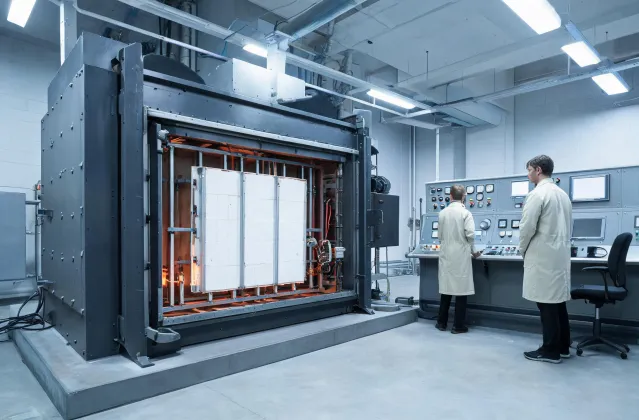
Furnace protocols support UL-listed wall and shaft designs with measured fire resistance rating data for plan review packages.
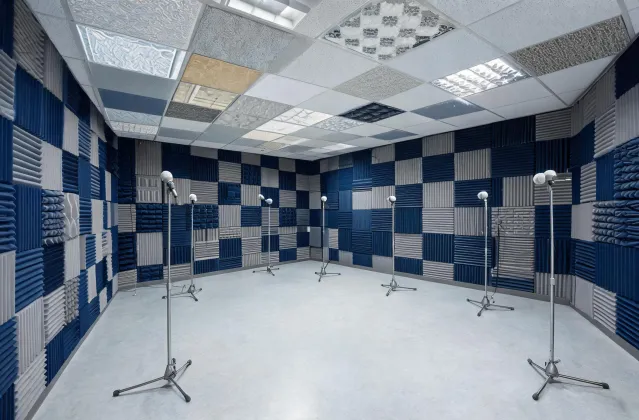
NRC and STC pathways for ceiling tiles and demising walls are measured so education and healthcare teams can model classroom and patient-room comfort.
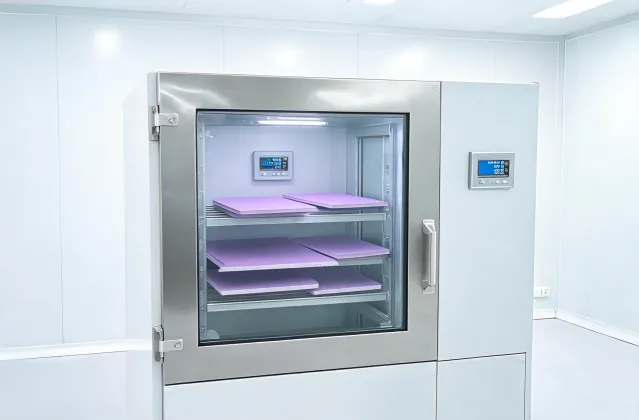
ASTM D3273 pathways and wet-area substrate trials guide Mold Tough and Durock recommendations for bathrooms, kitchens, and laundry rooms.
Technical publications
Finishing levels, fastening patterns, and control-joint guidance for Level 4 and Level 5 interiors.
UL design summaries for corridor walls, shafts, and ceiling membranes used in commercial interiors.
Tile selection, grid types, and perimeter detailing for offices, classrooms, and hospitality lobbies.
Whether you need a lab tour summary, recycled content data, or help selecting a fire-rated stack, our specialists respond with documentation—not slogans.
Request Technical Support